Can fresh soy sauce be used for marinating meat?
As a supplier of fresh soy sauce, I often get asked whether fresh soy sauce can be used for marinating meat. This is a question that touches on both culinary traditions and the unique properties of fresh soy sauce. In this blog post, I'll explore the viability of using fresh soy sauce for meat marination, discuss its benefits, and provide some practical tips for achieving the best results.
The Basics of Fresh Soy Sauce
Fresh soy sauce is a staple in many Asian cuisines, known for its rich umami flavor and versatility. It is typically made through a fermentation process that involves soybeans, wheat, salt, and water. The fermentation period can vary, but fresh soy sauce generally has a lighter color and a more delicate flavor compared to its aged counterparts.
One of the key characteristics of fresh soy sauce is its high content of amino acids, which are responsible for its umami taste. Umami is often described as the fifth taste, alongside sweet, sour, salty, and bitter. It adds a depth of flavor to dishes, making them more savory and satisfying.
Using Fresh Soy Sauce for Marinating Meat
The short answer is yes, fresh soy sauce can be used for marinating meat. In fact, it is a popular choice in many Asian recipes, especially those from Chinese, Japanese, and Korean cuisines. Here are some reasons why fresh soy sauce is a great option for meat marination:
- Flavor Enhancement: Fresh soy sauce infuses meat with a rich, savory flavor. The umami taste of the soy sauce helps to enhance the natural flavor of the meat, making it more delicious. It also adds a subtle saltiness that can balance out the sweetness of other ingredients in the marinade.
- Tenderization: The enzymes in fresh soy sauce can help to break down the connective tissues in meat, making it more tender. This is especially useful for tougher cuts of meat, such as beef brisket or pork shoulder.
- Moisture Retention: Marinating meat in fresh soy sauce can help to lock in moisture, preventing it from drying out during cooking. This results in juicier and more flavorful meat.
- Versatility: Fresh soy sauce can be used in a variety of marinades, depending on your personal taste preferences. You can combine it with other ingredients such as garlic, ginger, scallions, and sesame oil to create a customized marinade for different types of meat.
Tips for Using Fresh Soy Sauce in Meat Marinades
To get the most out of fresh soy sauce when marinating meat, here are some tips to keep in mind:
- Choose the Right Type of Fresh Soy Sauce: There are different types of fresh soy sauce available, each with its own unique flavor profile. For meat marination, I recommend using Gloden Lable Superior Light Soy Sauce. It has a balanced flavor and a light color, which makes it suitable for a wide range of meat dishes.
- Use the Right Amount: The amount of fresh soy sauce you use in your marinade will depend on the type and amount of meat you are marinating. As a general rule, use about 1/4 to 1/2 cup of fresh soy sauce per pound of meat. You can adjust the amount according to your personal taste preferences.
- Marinate for the Right Amount of Time: The marinating time will also depend on the type and thickness of the meat. For thinner cuts of meat, such as chicken breasts or pork chops, marinate for 30 minutes to 1 hour. For thicker cuts of meat, such as beef steaks or lamb chops, marinate for 2 to 4 hours or overnight in the refrigerator.
- Add Other Ingredients: To enhance the flavor of your marinade, you can add other ingredients such as garlic, ginger, scallions, and sesame oil. These ingredients will add a depth of flavor and aroma to the marinade.
- Discard the Marinade: After marinating the meat, discard the marinade. Do not reuse the marinade, as it may contain bacteria from the raw meat.
Recipes for Fresh Soy Sauce Meat Marinades
Here are some recipes for fresh soy sauce meat marinades that you can try at home:
Chinese-Style Beef Marinade
- 1/4 cup Gloden Lable Superior Light Soy Sauce
- 2 tablespoons oyster sauce
- 1 tablespoon honey
- 1 tablespoon grated ginger
- 2 cloves garlic, minced
- 1 tablespoon sesame oil
- 1/4 teaspoon black pepper
Mix all the ingredients together in a bowl. Place the beef in a ziplock bag or a shallow dish and pour the marinade over the beef. Seal the bag or cover the dish and refrigerate for 2 to 4 hours or overnight.
Japanese-Style Chicken Marinade
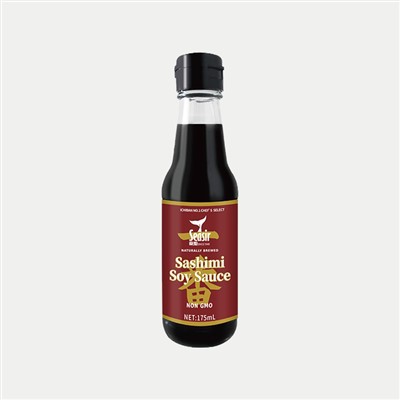
- 1/4 cup Seasoned Soy Sauce for Seafood
- 2 tablespoons sake
- 2 tablespoons mirin
- 1 tablespoon grated ginger
- 2 cloves garlic, minced
- 1 tablespoon honey
Mix all the ingredients together in a bowl. Place the chicken in a ziplock bag or a shallow dish and pour the marinade over the chicken. Seal the bag or cover the dish and refrigerate for 30 minutes to 1 hour.
Korean-Style Pork Marinade


- 1/4 cup Regular Dark Soy Sauce
- 2 tablespoons gochujang (Korean red pepper paste)
- 2 tablespoons honey
- 1 tablespoon grated ginger
- 2 cloves garlic, minced
- 1 tablespoon sesame oil
- 1/4 cup chopped scallions
Mix all the ingredients together in a bowl. Place the pork in a ziplock bag or a shallow dish and pour the marinade over the pork. Seal the bag or cover the dish and refrigerate for 2 to 4 hours or overnight.
Conclusion
In conclusion, fresh soy sauce is a great option for marinating meat. It adds a rich, savory flavor to the meat, helps to tenderize it, and locks in moisture. By following the tips and recipes provided in this blog post, you can create delicious and flavorful meat dishes using fresh soy sauce.
If you're interested in purchasing our high-quality fresh soy sauce products for your business or personal use, I encourage you to reach out to us for a procurement discussion. We're committed to providing the best soy sauce products and excellent service to our customers.
References
- McGee, H. (2004). On Food and Cooking: The Science and Lore of the Kitchen. Scribner.
- Chang, E. (2014). The Food of Taiwan: Recipes from the Beautiful Island. Ten Speed Press.
- Tan, C. (2018). The Complete Asian Cookbook. Quadrille Publishing.