


Salsa is a popular condiment known for its vibrant flavors and versatility. It can be used as a dip, a topping for tacos, or a sauce for various dishes. One question that often arises is whether organic vinegar can be used in salsa. As an organic vinegar supplier, I'm here to explore this topic and provide you with all the information you need.
The Role of Vinegar in Salsa
Vinegar plays a crucial role in salsa. It adds acidity, which not only enhances the flavor but also acts as a natural preservative. The acidity helps to balance the sweetness of the tomatoes and other ingredients, creating a well - rounded flavor profile. Additionally, vinegar can help to cut through the richness of other components in the salsa, making it more refreshing.
Organic Vinegar: A Healthier Option
Organic vinegar is made from organic ingredients, which means that it is free from synthetic pesticides, fertilizers, and genetically modified organisms (GMOs). This makes it a healthier choice for those who are conscious about their food sources. Organic vinegar also tends to have a more complex and natural flavor compared to conventional vinegar, which can add an extra layer of depth to your salsa.
Types of Organic Vinegar for Salsa
There are several types of organic vinegar that can be used in salsa, each with its own unique flavor characteristics.
Organic Sorghum Vinegar
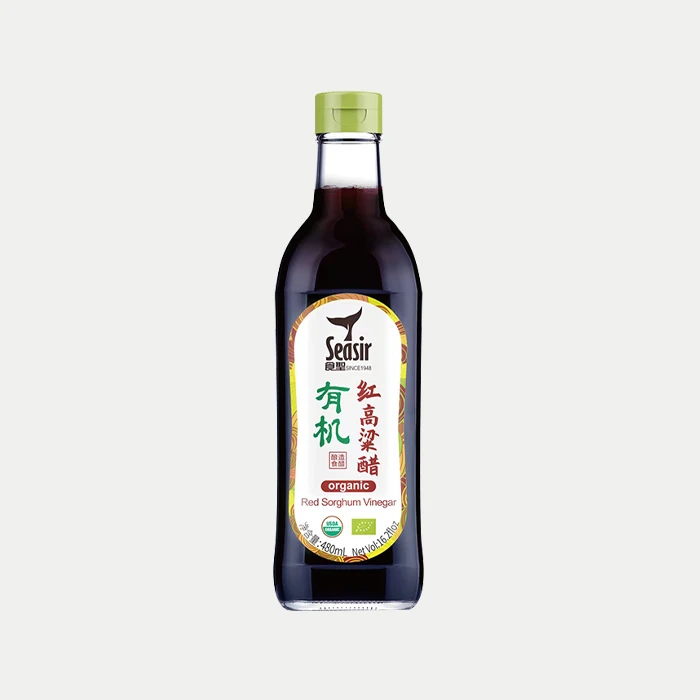
Organic Sorghum Vinegar is made from fermented sorghum grains. It has a slightly sweet and earthy flavor, which can complement the tomatoes and other vegetables in salsa. The sweetness of sorghum vinegar can help to balance the acidity, creating a more harmonious flavor.
Organic Rice Vinegar
Organic Rice Vinegar is a popular choice for salsa. It has a mild, slightly sweet flavor that is less acidic than some other vinegars. This makes it a great option for those who prefer a more subtle flavor in their salsa. Rice vinegar can also add a touch of umami, enhancing the overall taste of the salsa.
Organic White Rice Vinegar
Organic White Rice Vinegar is similar to regular rice vinegar but has a clearer color and a more delicate flavor. It is often used in Asian cuisine but can also be a great addition to salsa. The mild acidity of white rice vinegar can help to brighten the flavors of the salsa without overpowering them.
How to Use Organic Vinegar in Salsa
When using organic vinegar in salsa, it's important to start with a small amount and adjust to taste. Here's a simple recipe to get you started:
Ingredients:

- 4 ripe tomatoes, diced
- 1 small onion, finely chopped
- 1 jalapeno pepper, seeded and minced
- 2 tablespoons of organic vinegar (you can choose from sorghum, rice, or white rice vinegar)
- 1 tablespoon of fresh cilantro, chopped
- Salt and pepper to taste
Instructions:
- In a large bowl, combine the diced tomatoes, chopped onion, and minced jalapeno pepper.
- Add the organic vinegar to the bowl. Start with 1 tablespoon and taste the salsa. If you want a more acidic flavor, you can add another tablespoon.
- Stir in the fresh cilantro and season with salt and pepper to taste.
- Let the salsa sit for at least 30 minutes to allow the flavors to meld together.
Benefits of Using Organic Vinegar in Salsa
- Health Benefits: As mentioned earlier, organic vinegar is free from synthetic chemicals, making it a healthier option. It also contains antioxidants and other beneficial compounds that can have positive effects on your health.
- Enhanced Flavor: The complex flavors of organic vinegar can take your salsa to the next level. Whether it's the sweet and earthy notes of sorghum vinegar or the mild umami of rice vinegar, each type of organic vinegar can add a unique flavor profile to your salsa.
- Sustainability: By using organic vinegar, you are supporting sustainable farming practices. Organic farming methods are better for the environment, as they reduce the use of harmful chemicals and promote biodiversity.
Considerations When Using Organic Vinegar in Salsa
- Acidity Level: Different types of organic vinegar have different acidity levels. Make sure to choose a vinegar that suits your taste preferences and the other ingredients in your salsa. For example, if you are using a lot of acidic ingredients like tomatoes, you may want to choose a milder vinegar.
- Flavor Compatibility: Consider the other flavors in your salsa when choosing an organic vinegar. For example, if your salsa has a lot of spicy ingredients, a sweet - flavored vinegar like sorghum vinegar can help to balance the heat.
Conclusion
In conclusion, organic vinegar can definitely be used in salsa. It not only adds acidity and flavor but also offers health benefits and supports sustainable farming. Whether you choose Organic Sorghum Vinegar, Organic Rice Vinegar, or Organic White Rice Vinegar, you can create a delicious and healthy salsa that will impress your friends and family.
If you're interested in purchasing our high - quality organic vinegar for your salsa or other culinary creations, we'd love to hear from you. Feel free to reach out to us to start a conversation about your specific needs and how our organic vinegar can enhance your products.
References
- "The Science of Vinegar Fermentation" - Journal of Food Science
- "Health Benefits of Organic Foods" - Nutrition Today


