


Making a nut-based seasoning sauce can be a delightful and rewarding endeavor, especially when you're in the business of supplying high-quality sauces. As a seasoned seasoning sauce supplier, I'm excited to share my insights on creating a delicious nut-based sauce that can elevate a wide range of dishes. In this blog, I'll walk you through the process, from selecting the right nuts to adding complementary ingredients, and how to ensure a consistent and flavorful product.
Selecting the Right Nuts
The foundation of any nut-based seasoning sauce is, of course, the nuts themselves. Different nuts bring unique flavors and textures to the sauce, so it's important to choose the ones that best suit your taste preferences and the intended use of the sauce. Here are some popular nuts and their characteristics:
- Almonds: Almonds have a mild, slightly sweet flavor and a creamy texture. They are versatile and can be used in both sweet and savory sauces.
- Cashews: Cashews are rich and buttery, with a smooth texture. They are often used in creamy sauces and dips.
- Pistachios: Pistachios have a distinct, nutty flavor and a vibrant green color. They add a pop of color and flavor to sauces.
- Walnuts: Walnuts have a bold, earthy flavor and a crunchy texture. They are great for adding depth and complexity to sauces.
You can use a single type of nut or a combination of nuts to create a more complex flavor profile. Experiment with different nut combinations to find the one that you like best.
Roasting the Nuts
Roasting the nuts before using them in the sauce enhances their flavor and gives them a richer, nuttier taste. To roast the nuts, preheat your oven to 350°F (175°C). Spread the nuts in a single layer on a baking sheet and roast for 8-10 minutes, or until they are golden brown and fragrant. Be sure to stir the nuts occasionally to ensure even roasting.
Once the nuts are roasted, let them cool completely before using them in the sauce. This will prevent the nuts from burning or becoming too oily when blended.
Blending the Nuts
After the nuts have cooled, it's time to blend them into a smooth paste. You can use a food processor or a blender to do this. Start by adding the roasted nuts to the food processor or blender and pulse until they are finely chopped. Then, add a small amount of oil (such as olive oil or coconut oil) and continue blending until the nuts form a smooth, creamy paste.
The amount of oil you add will depend on the type of nuts you are using and the desired consistency of the sauce. If the sauce is too thick, you can add more oil a little at a time until you reach the desired consistency. If the sauce is too thin, you can add more nuts or let the sauce sit for a few minutes to thicken.
Adding Complementary Ingredients
Once you have a smooth nut paste, it's time to add complementary ingredients to enhance the flavor of the sauce. Here are some ingredients that you can add to your nut-based seasoning sauce:
- Herbs and Spices: Herbs and spices add flavor and aroma to the sauce. Some popular herbs and spices to use in nut-based sauces include garlic, onion, cumin, paprika, and chili powder.
- Acidic Ingredients: Acidic ingredients, such as lemon juice or vinegar, add a bright, tangy flavor to the sauce. They also help to balance the richness of the nuts.
- Sweeteners: Sweeteners, such as honey or maple syrup, add a touch of sweetness to the sauce. They can also help to balance the acidity and enhance the flavor of the nuts.
- Salt and Pepper: Salt and pepper are essential seasonings that help to bring out the flavors of the other ingredients in the sauce.
You can add these ingredients to the nut paste and blend them together until they are well combined. Start with a small amount of each ingredient and taste the sauce as you go to adjust the flavors to your liking.
Packaging and Storage
Once you have created your nut-based seasoning sauce, it's important to package it properly to ensure its freshness and quality. You can use glass jars or plastic containers with tight-fitting lids to store the sauce. Be sure to label the containers with the name of the sauce, the date it was made, and any other relevant information.
The sauce can be stored in the refrigerator for up to two weeks or in the freezer for up to six months. When you're ready to use the sauce, simply take it out of the refrigerator or freezer and let it come to room temperature before using.
Using the Nut-Based Seasoning Sauce
Nut-based seasoning sauces are incredibly versatile and can be used in a variety of dishes. Here are some ideas for using your nut-based seasoning sauce:
- As a Dip: Serve the sauce as a dip for vegetables, crackers, or chips.
- As a Marinade: Use the sauce as a marinade for meat, poultry, or fish. Let the meat marinate in the sauce for at least 30 minutes before cooking.
- As a Sauce: Drizzle the sauce over pasta, rice, or vegetables. You can also use the sauce as a topping for pizza or sandwiches.
- As a Spread: Use the sauce as a spread on bread or toast. It's a great alternative to butter or cream cheese.
Our Other Seasoning Sauces
In addition to nut-based seasoning sauces, we also offer a wide range of other high-quality seasoning sauces. Here are some of our popular products:

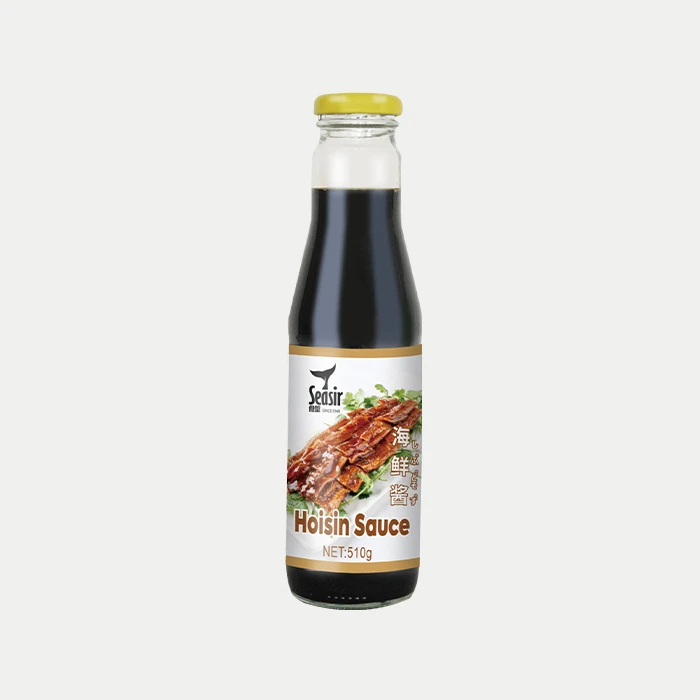
- 440ml Oyster Sauce: Our oyster sauce is made with real oysters and has a rich, savory flavor. It's perfect for stir-fries, marinades, and dipping sauces.
- 440ml Hoisin Sauce: Our hoisin sauce is a sweet and savory sauce that is commonly used in Chinese cuisine. It's great for marinating meat, dipping spring rolls, and adding flavor to stir-fries.
- 1.9L Yakitori Sauce: Our yakitori sauce is a traditional Japanese sauce that is made with soy sauce, sake, and sugar. It's perfect for grilling chicken, beef, or vegetables.
Contact Us for Procurement
If you're interested in purchasing our nut-based seasoning sauces or any of our other products, please contact us to discuss your procurement needs. We offer competitive prices, high-quality products, and excellent customer service. Whether you're a restaurant owner, a food manufacturer, or a retailer, we can provide you with the seasoning sauces you need to enhance the flavor of your dishes.
References
- McGee, H. (2004). On Food and Cooking: The Science and Lore of the Kitchen. Scribner.
- Peterson, J. (2017). The Flavor Bible: The Essential Guide to Culinary Creativity, Based on the Wisdom of America's Most Imaginative Chefs. Little, Brown and Company.


