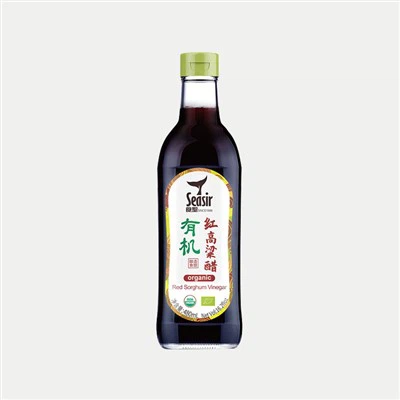
Grain-flavored vinegar, a staple in many kitchens around the world, has long been recognized for its ability to enhance the flavor of various dishes. However, its impact on the texture of food is often overlooked. As a supplier of high-quality grain-flavored vinegar, I have witnessed firsthand how this versatile ingredient can transform the texture of a wide range of foods. In this blog post, I will explore the science behind how grain-flavored vinegar affects the texture of food and provide practical tips on how to use it to your advantage in the kitchen.
The Science of Grain-Flavored Vinegar and Texture
Grain-flavored vinegar is made from grains such as rice, wheat, or barley through a fermentation process. During fermentation, the grains are broken down by bacteria and yeast, producing acetic acid, which gives vinegar its characteristic sour taste. The acidity of vinegar plays a crucial role in its ability to affect the texture of food.
One of the primary ways grain-flavored vinegar affects texture is by denaturing proteins. When vinegar is added to food, the acetic acid in the vinegar can break down the protein molecules, causing them to unwind and change shape. This can lead to a softer, more tender texture in meats, poultry, and seafood. For example, marinating chicken in a mixture of grain-flavored vinegar and herbs can help to break down the muscle fibers, resulting in a more tender and juicy chicken.
In addition to denaturing proteins, grain-flavored vinegar can also affect the texture of food by altering the pH level. The acidic nature of vinegar can lower the pH of the food, which can have several effects on texture. For instance, in baking, vinegar can react with baking soda to produce carbon dioxide gas, which helps to leaven the dough and create a lighter, fluffier texture. In pickling, the acidic environment created by vinegar helps to preserve the food and gives it a crisp, crunchy texture.
Types of Grain-Flavored Vinegar and Their Impact on Texture
There are several types of grain-flavored vinegar available, each with its own unique flavor and texture characteristics. Here are some of the most common types of grain-flavored vinegar and how they can affect the texture of food:
- Rice Vinegar: Rice vinegar is a mild, sweet vinegar made from fermented rice. It has a delicate flavor and a relatively low acidity, making it a popular choice for dressings, marinades, and sushi rice. Rice vinegar can help to tenderize meats and add a subtle sweetness to dishes.
- Sushi Vinegar: Sushi vinegar is a type of rice vinegar that is specifically formulated for making sushi rice. It is typically made with a combination of rice vinegar, sugar, and salt, and it has a slightly sweet and tangy flavor. Sushi vinegar helps to give sushi rice a sticky, cohesive texture and a delicious flavor.
- 9° White Vinegar: 9° white vinegar is a strong, acidic vinegar made from grain alcohol. It has a sharp, pungent flavor and a high acidity, making it a popular choice for pickling, cleaning, and cooking. 9° white vinegar can be used to tenderize meats, add flavor to sauces and dressings, and preserve food.
Practical Tips for Using Grain-Flavored Vinegar to Enhance Texture
Now that you understand the science behind how grain-flavored vinegar affects the texture of food, here are some practical tips on how to use it to your advantage in the kitchen:
- Marinate meats and poultry: Marinating meats and poultry in a mixture of grain-flavored vinegar, herbs, and spices can help to tenderize the meat and add flavor. For best results, marinate the meat for at least 30 minutes or up to several hours in the refrigerator.
- Add vinegar to dressings and sauces: Adding a small amount of grain-flavored vinegar to dressings and sauces can help to balance the flavors and add a tangy kick. You can use vinegar in vinaigrettes, mayonnaise, and other types of sauces.
- Use vinegar in baking: Vinegar can be used in baking to help leaven the dough and create a lighter, fluffier texture. You can add a small amount of vinegar to cakes, muffins, and bread recipes.
- Pickle vegetables: Pickling vegetables in a mixture of grain-flavored vinegar, water, sugar, and salt is a great way to preserve them and give them a crisp, crunchy texture. You can pickle a variety of vegetables, including cucumbers, carrots, and onions.
Conclusion
Grain-flavored vinegar is a versatile ingredient that can have a significant impact on the texture of food. By understanding the science behind how vinegar affects texture and using it in the right way, you can enhance the flavor and texture of your dishes. As a supplier of high-quality grain-flavored vinegar, I encourage you to experiment with different types of vinegar and recipes to discover the many ways that vinegar can transform your cooking.


If you are interested in purchasing our grain-flavored vinegar products, please feel free to contact us to discuss your specific needs and requirements. We would be happy to provide you with more information and samples of our products.
References
- McGee, H. (2004). On Food and Cooking: The Science and Lore of the Kitchen. Scribner.
- Harold McGee's website: www.cookingissues.com
- Food Science and Technology textbooks