


When it comes to enhancing the flavor of various dishes, two condiments stand out prominently in the culinary world: Seasoning Soy Sauce and chili oil. As a seasoned Seasoning Soy Sauce supplier, I've witnessed firsthand the diverse roles these two flavor - enhancers play in different cuisines. In this blog, we'll delve into a detailed comparison of how Seasoning Soy Sauce and chili oil stack up against each other in terms of flavor enhancement.
Flavor Profiles
Seasoning Soy Sauce
Seasoning Soy Sauce, such as our Seasoning Soy Sauce, offers a complex and well - balanced flavor profile. It combines the umami taste, which is often described as a savory, meaty flavor, with a hint of sweetness and saltiness. The umami in soy sauce comes from the hydrolysis of proteins during the fermentation process. This fermentation gives soy sauce its rich, deep flavor that can enhance the taste of a wide variety of dishes.
For example, our Gloden Lable Superior Light Soy Sauce is known for its light and fresh flavor. It is perfect for marinating meats, adding a subtle umami note to stir - fries, and seasoning soups. The light soy sauce has a relatively lower viscosity and a more delicate flavor, making it suitable for dishes where you want to add flavor without overpowering the other ingredients.
On the other hand, Mushroom Flavoured Dark Soy Sauce has a thicker consistency and a more intense, caramel - like flavor. It is often used to add color and a deeper, more complex umami flavor to stews, braised dishes, and even some noodle recipes. The mushroom flavor in this soy sauce adds an extra layer of earthiness and richness.
Chili Oil
Chili oil, in contrast, is all about heat and spiciness. It is made by infusing oil with chili peppers, which can range from mild to extremely hot. The spiciness comes from capsaicin, a compound found in chili peppers. Besides the heat, chili oil also has a distinct, pungent aroma and a slightly nutty undertone, depending on the type of oil used and the additional spices added.
Chili oil can add a fiery kick to any dish. It is commonly used in Sichuan cuisine, where it is a staple for dishes like mapo tofu, dan dan noodles, and hot pot. The heat of the chili oil can stimulate the taste buds and add an exciting element to the dish. It can also be used as a dipping sauce for dumplings, spring rolls, or as a topping for noodles and rice.
Versatility in Dishes
Seasoning Soy Sauce
Seasoning Soy Sauce is incredibly versatile. It can be used in almost every type of cuisine, from Asian to Western. In Asian cuisines, it is a fundamental ingredient in stir - fries, marinades, and dipping sauces. For instance, in Chinese cuisine, a simple combination of soy sauce, garlic, and ginger can create a delicious marinade for chicken or beef. In Japanese cuisine, soy sauce is used in sushi, sashimi, and teriyaki dishes.
In Western cuisines, soy sauce can be used to add an umami boost to gravies, salad dressings, and even some meat dishes. It can also be used as a substitute for salt in some recipes, as it provides not only saltiness but also a more complex flavor.
Chili Oil
Chili oil is more specialized in terms of the types of dishes it is commonly used in. It is mainly associated with spicy cuisines, especially those from Asia, such as Thai, Sichuan, and Korean. However, its popularity has spread, and it is now being used in other cuisines as well. For example, in some Western restaurants, chili oil is used as a condiment for pizza or as a topping for burgers to add a spicy twist.
Health Considerations
Seasoning Soy Sauce
Soy sauce contains some beneficial nutrients. It is a good source of protein, vitamins, and minerals. For example, it contains small amounts of B - vitamins, which are important for energy metabolism. However, soy sauce is also high in sodium. Excessive sodium intake can lead to high blood pressure and other health problems. Therefore, it is important to use soy sauce in moderation, especially for people with high blood pressure or other health conditions.
Chili Oil
Chili oil has some potential health benefits. Capsaicin, the compound responsible for the spiciness in chili oil, has been shown to have anti - inflammatory properties. It can also boost metabolism and help with weight loss. However, like soy sauce, it should be used in moderation, especially for people with sensitive stomachs, as the spiciness can cause irritation.
Cost and Availability
Seasoning Soy Sauce
Seasoning Soy Sauce is generally more widely available than chili oil. It can be found in most grocery stores, both in the Asian section and in the general condiment aisle. The cost of soy sauce varies depending on the brand and the quality. High - end soy sauces, such as those made with traditional fermentation methods, can be more expensive, but there are also affordable options available for everyday use.
Chili Oil
Chili oil is also becoming more widely available, but it may not be as common as soy sauce in some areas. It can be found in Asian grocery stores and some specialty food stores. The cost of chili oil can vary depending on the type of chili peppers used and the additional ingredients. Some artisanal chili oils can be quite expensive, while mass - produced ones are more affordable.
Which is Better for Flavor Enhancement?
The answer to this question depends on personal preference and the type of dish you are preparing. If you prefer a more subtle, well - balanced flavor with a focus on umami, Seasoning Soy Sauce is the way to go. It can enhance the natural flavors of the ingredients and add a depth of taste to the dish.
On the other hand, if you love spicy food and want to add a fiery kick to your dishes, chili oil is the better choice. It can transform a mild dish into a spicy and exciting one.
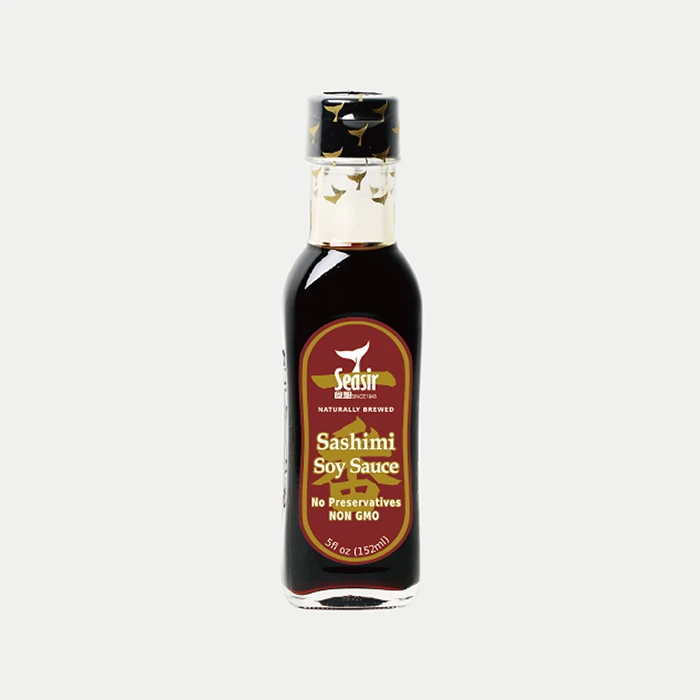

In many cases, these two condiments can be used together to create a more complex and delicious flavor. For example, in a stir - fry, you can use soy sauce to marinate the meat and vegetables, and then add a drizzle of chili oil at the end to add a spicy element.
Conclusion
As a Seasoning Soy Sauce supplier, I believe that both Seasoning Soy Sauce and chili oil have their unique places in the culinary world. They offer different flavor profiles and can be used in a variety of ways to enhance the taste of dishes. Whether you are a home cook or a professional chef, experimenting with these two condiments can open up a world of flavor possibilities.
If you are interested in purchasing our high - quality Seasoning Soy Sauce products, we welcome you to reach out to us for procurement discussions. We are committed to providing the best products and services to meet your culinary needs.
References
- "The Science of Umami" by Umami Information Center
- "Spices and Herbs: Their Health Benefits and Culinary Uses" by various authors in the field of food science.


