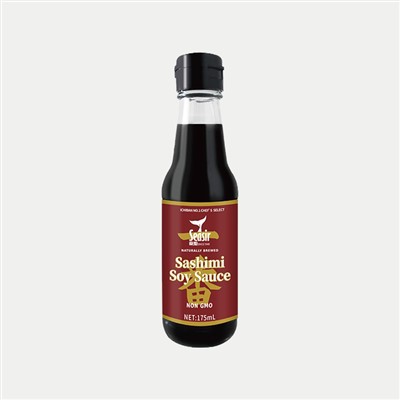
As a seasoned seasoning sauce supplier, I've had the privilege of delving deep into the world of Asian - style seasoning sauces. These sauces are not just condiments; they are a blend of history, culture, and flavors that can transform a simple meal into a gastronomic delight. In this blog, I'll share with you how to make some popular Asian - style seasoning sauces.
Teriyaki Sauce
Teriyaki sauce is a staple in Japanese cuisine, known for its sweet and savory flavor. It's great for marinating meats, seafood, or even as a dipping sauce.
Ingredients
- 1/2 cup soy sauce
- 1/2 cup mirin (a sweet rice wine)
- 1/4 cup sake (Japanese rice wine)
- 1/4 cup brown sugar
- 2 cloves of garlic, minced
- 1 teaspoon grated ginger
Instructions
- In a medium - sized saucepan, combine soy sauce, mirin, sake, and brown sugar. Stir well to dissolve the sugar.
- Add the minced garlic and grated ginger to the saucepan.
- Bring the mixture to a boil over medium - high heat. Then, reduce the heat to low and let it simmer for about 10 - 15 minutes, stirring occasionally. The sauce will thicken as it cooks.
- Once the sauce has reached your desired consistency, remove it from the heat and let it cool.
- You can store the teriyaki sauce in an airtight container in the refrigerator for up to a month.
If you're looking for an organic option, check out our Organic Teriyaki Sauce. It's made with high - quality organic ingredients, ensuring a natural and delicious flavor.
Ponzu Soy Sauce
Ponzu is a citrus - based soy sauce that originated in Japan. It has a refreshing and tangy flavor, making it perfect for sushi, sashimi, or as a dressing for salads.
Ingredients
- 1/2 cup soy sauce
- 1/4 cup freshly squeezed yuzu juice (or a combination of lemon and lime juice)
- 2 tablespoons rice vinegar
- 1 tablespoon dashi (Japanese soup stock)
- 1 green onion, chopped
- 1/2 teaspoon grated daikon radish
Instructions
- In a small bowl, combine soy sauce, yuzu juice, rice vinegar, and dashi. Stir well.
- Add the chopped green onion and grated daikon radish to the bowl.
- Mix everything together thoroughly.
- Let the ponzu sauce sit for about 15 - 20 minutes to allow the flavors to meld.
- You can serve the ponzu sauce immediately or store it in the refrigerator for up to a week.
Our Organic Ponzu Soy Sauce is an excellent choice for those who prefer organic products. It offers a balanced and authentic ponzu flavor.


Unagi Sauce
Unagi sauce is a sweet and savory sauce commonly used for eel dishes in Japanese cuisine. It can also be used to glaze other meats or vegetables.
Ingredients
- 1/2 cup soy sauce
- 1/2 cup mirin
- 1/4 cup sugar
- 1/4 cup sake
- 1/4 cup water
Instructions
- In a saucepan, combine soy sauce, mirin, sugar, sake, and water.
- Bring the mixture to a boil over medium - high heat, stirring until the sugar is dissolved.
- Reduce the heat to low and let the sauce simmer for about 15 - 20 minutes, or until it thickens to a syrupy consistency.
- Stir the sauce occasionally to prevent it from burning.
- Once the sauce has thickened, remove it from the heat and let it cool.
- You can store the unagi sauce in an airtight container in the refrigerator for up to two weeks.
For an organic and high - quality unagi sauce, take a look at our Organic Unagi Sauce.
Tips for Making Asian - Style Seasoning Sauces
- Use Fresh Ingredients: Fresh ingredients are key to achieving the best flavor in your sauces. Whether it's fresh garlic, ginger, or citrus fruits, using the freshest produce will make a significant difference.
- Adjust the Sweetness and Saltiness: Asian - style sauces often have a balance of sweet, salty, and umami flavors. You can adjust the amount of sugar or soy sauce according to your taste preferences.
- Let the Flavors Meld: Allowing the sauce to sit for a while after mixing or cooking will let the flavors blend together, resulting in a more complex and delicious taste.
Why Choose Our Seasoning Sauces?
As a seasoning sauce supplier, we are committed to providing high - quality products. Our organic sauces are made with carefully selected ingredients, free from artificial additives and preservatives. We use traditional recipes and modern production techniques to ensure that each bottle of our sauce delivers an authentic Asian flavor.
If you're a restaurant owner, a home cook, or a food distributor, and you're interested in our Asian - style seasoning sauces, we'd love to hear from you. We offer competitive pricing, reliable delivery, and excellent customer service. Contact us to discuss your procurement needs and start adding a touch of Asian flavor to your dishes.
References
- "Japanese Cooking: A Simple Art" by Shojin Maruyama
- "The Book of Japanese Food" by Elizabeth Andoh