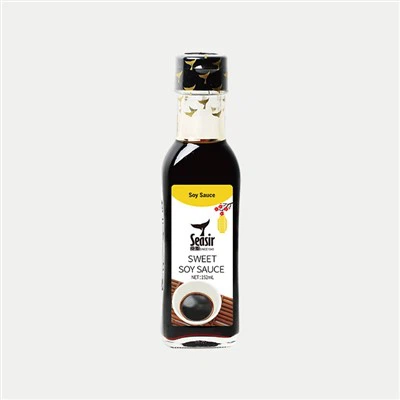
Soy sauce is made from plant-based protein and starch.
Plant-based protein is obtained from soybean cake after oil extraction, or soybean meal after solvent extraction of oil. Peanut cake and broad beans are sometimes used as substitutes, but soybeans are the primary source in traditional production. Starch is generally derived from wheat and wheat bran, but broken rice and corn are sometimes used as substitutes. Wheat flour is the primary source in traditional production.
The raw materials are steamed and cooled, then inoculated with a pure culture of Aspergillus oryzae to make koji (fermentation starter). The koji is then transferred to a fermentation tank, where brine is added for fermentation. Once the mash is mature, soy sauce is extracted using the solvent extraction method. The purpose of koji making is to allow Aspergillus oryzae to fully grow and develop on the koji substrate, producing and accumulating necessary enzymes such as proteases, peptidases, amylases, glutaminases, pectinases, cellulases, and hemicellulases. The flavor is developed during fermentation using the action of these enzymes. For example, proteases and peptidases hydrolyze proteins into amino acids, producing umami flavor; glutaminase converts tasteless glutamine into umami-rich glutamic acid; amylase hydrolyzes starch into sugars, producing sweetness; pectinase, cellulase, and hemicellulase can completely rupture cell walls, making the hydrolysis by proteases and amylases more thorough. Simultaneously, during the koji-making and fermentation process, yeasts and bacteria that fall from the air also multiply and secrete various enzymes. Purely cultured lactic acid bacteria and yeast can also be added. Lactic acid bacteria produce a suitable amount of lactic acid, yeast ferments to produce ethanol, and various other components such as alcohols, acids, aldehydes, esters, phenols, acetals, and furans produced from raw materials and Aspergillus metabolites, although mostly in trace amounts, contribute to the complex aroma of soy sauce. Furthermore, the oxidation of tyrosine in raw protein to produce melanin, and the hydrolysis of starch by Aspergillus amylase to glucose reacting with amino acids to produce melanoidins, give soy sauce its bright, glossy reddish-brown color. The complex biochemical changes during fermentation produce a blend of umami, sweetness, sourness, alcoholic aroma, ester aroma, and the saltiness of the brine, ultimately forming soy sauce with its unique color, aroma, flavor, and taste.
The raw material processing for soy sauce involves three steps:
Adding water and moistening the cake: The amount of water added should be such that the moisture content of the steamed koji material reaches 47-50%.
Mixing: After moistening, the cake is thoroughly mixed with crushed wheat and bran.
Steaming: The material is steamed under pressure (0.2 MPa) in a rotary steamer to moderately denature proteins, gelatinize starches, and kill any microorganisms attached to the raw materials.
The koji-making process involves two steps:
Cooling and inoculation: The cooked material is rapidly cooled to 45°C, and 0.3-0.4% of a pure, expanded culture of 'Aspergillus oryzae' is added as starter koji, and the mixture is thoroughly stirred.
Thick-layer ventilation koji-making: The inoculated koji material is placed in the koji chamber/tank. Ventilation is initially intermittent, then continuous. The temperature for making koji (fermentation starter) is controlled at 30-32℃ during the spore germination stage and no higher than 35℃ during the mycelial growth stage. During this period, the koji needs to be turned and shoveled. Enzyme production is most vigorous in the early stage of spore attachment, and the temperature should ideally be controlled at 30-32℃.
After fermentation, the koji is mixed with 12-13°Be hot brine and added to the fermentation tank. The temperature is maintained at 42-45℃ for about 20 days, at which point the fermented mash is basically mature.
The process of leaching and oil extraction involves heating the three oils left over from the previous production to 85°C and then soaking them in mature soy mash to ensure the soy sauce is fully dissolved. The raw soy sauce (first oil) is then slowly released from the bottom of the fermentation tank, replenished with salt to maintain its concentration and salt content. Oil extraction separates the soy sauce from the fermentation residue. This process typically involves multiple soakings, sequentially extracting the first, second, and third oils in a cyclical manner to extract almost all the soy sauce components. Post-processing involves heating the soy sauce to 80-85°C for sterilization, followed by blending, clarification, and quality inspection to obtain a finished product that meets quality standards.
The core of traditional soy sauce production is open-air sun-drying, a process crucial for developing its unique flavor. A specially made fine protective mesh of stainless steel effectively isolates pollutants such as flying insects; a high-polymer filter membrane then removes impurities and microorganisms, resulting in the production of high-quality traditional soy sauce.