Color and Transparency
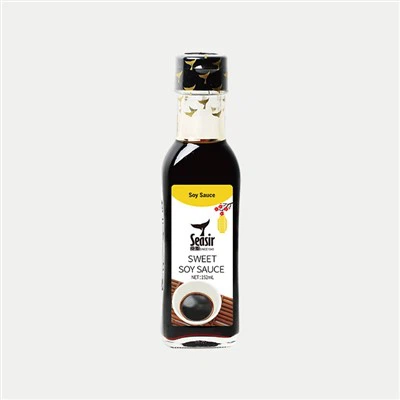
Good soy sauce should be reddish-brown or brownish-red in color, looking particularly appealing. It should have a high gloss, sparkling like a gemstone, and excellent transparency, free of any impurities. When you pour the soy sauce into a transparent bottle or bowl, it should be clear and bright, without any sediment or cloudiness. This kind of soy sauce looks clean and fresh, making it very appetizing.
Aroma and Taste
Good soy sauce has a unique aroma and taste. In terms of aroma, it should have a rich, mellow soy sauce or fermented bean aroma, along with a hint of esters, like a light fruity or floral fragrance, making it very pleasant to smell, without any unpleasant odors such as sourness or mold.
In terms of taste, good soy sauce should be savory and mellow, with a perfect balance of saltiness and sweetness, neither too salty nor too sweet, making it very smooth to eat. Moreover, it has no bitterness or other off-flavors; every sip is unforgettable. This flavor is naturally formed through long-term fermentation, something that added seasonings cannot replicate.
Fermentation Time and Brewing Process
Fermentation time is a key factor affecting the flavor of soy sauce. Generally, the longer the fermentation time, the richer the flavor of the soy sauce. Premium soy sauce typically requires at least six months of fermentation, and some high-quality soy sauces even longer. During this long fermentation process, microorganisms have sufficient time to break down the proteins and starches in the raw materials, releasing more amino acids and flavor compounds, resulting in a richer, more savory, and more complex flavor profile.
In contrast, quick-fermented soy sauce has a shorter fermentation time, perhaps only a few months or even less. Due to insufficient fermentation time, the process of microbial decomposition of raw materials is not thorough enough, resulting in fewer flavor compounds in the soy sauce. Therefore, its flavor is relatively thin, and its umami and richness are not as good as soy sauce that has undergone long-term fermentation. This kind of quick-fermented soy sauce may not reach the quality of premium soy sauce, tasting rather bland and lacking the unique flavor that comes with age.
By Yuan's Little Pocket
Nutritional Components
High-quality soy sauce should have a moderate sodium content, as sodium is an essential electrolyte for the human body, but excessive intake increases the risk of cardiovascular diseases such as high blood pressure. Low-sodium soy sauce is particularly suitable for people with high blood pressure or those who need to control their sodium intake, as it can reduce sodium intake and thus help control blood pressure. In addition to sodium content, high-quality soy sauce is also rich in minerals and vitamins, which are crucial for maintaining human health. For example, minerals such as iron and zinc in soy sauce help maintain healthy blood and immune function, while B vitamins contribute to energy metabolism and nervous system health. Therefore, choosing high-quality soy sauce not only satisfies taste preferences but also provides the body with essential nutrients.
Organic Certification and Raw Material Selection
When choosing soy sauce, if possible, prioritizing organic soy sauce is a more ideal choice. Organic soy sauce typically uses non-GMO soybeans as raw materials and is produced using natural fermentation processes. This production method gives organic soy sauce a health advantage, as non-GMO soybeans reduce the risks associated with genetic modification, while natural fermentation preserves more nutrients and natural flavor. Therefore, choosing organic soy sauce can provide a healthier and more natural option for your diet.
Labels and Labels
When choosing soy sauce, we should prioritize products labeled "brewed soy sauce" over "blended soy sauce." This is because "brewed soy sauce" emphasizes the use of traditional fermentation processes, which usually means it has a richer flavor and higher quality. In contrast, "blended soy sauce" may use more chemical additives and shortcuts, which can affect the taste and quality of the soy sauce.