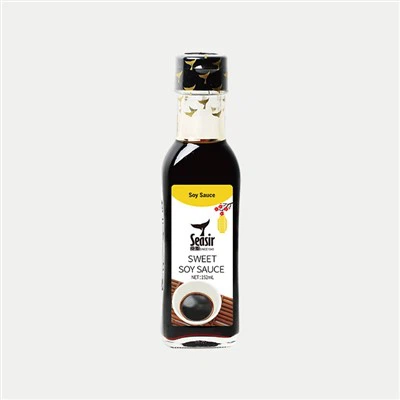
In the world of cooking, condiments are an indispensable part, adding rich flavor and color to dishes. While both light soy sauce and regular soy sauce are derived from the fermentation of soybeans and wheat, they differ significantly in color, taste, uses, and production processes. Below, we will explore the differences between light soy sauce and regular soy sauce in detail.
Color Difference: Light soy sauce is typically reddish-brown, relatively light, giving it a fresh and elegant feel. In contrast, regular soy sauce is darker, closer to dark brown or brownish-red, with a higher gloss, providing a richer color to dishes. This color difference mainly stems from the different production processes and fermentation times.
Taste Difference: Light soy sauce has a salty and savory flavor with a certain soybean aroma. Its taste is relatively mild, making it suitable for enhancing freshness and seasoning. It is often used in cold dishes or stir-fries, effectively highlighting the original flavor of the ingredients. Regular soy sauce, on the other hand, has a richer, more robust flavor, with a strong savory aroma. Although its saltiness is not as intense as light soy sauce, its overall taste is more complex and profound. Soy sauce is commonly used in dishes that require coloring, such as braised pork and stewed meat, to add a unique flavor.
Differences in Use: Light soy sauce and regular soy sauce have different focuses in their uses. Light soy sauce is mainly used for seasoning and enhancing umami. Due to its lighter color, it doesn't overly affect the color of the dish, making it suitable for dishes where the original color of the ingredients needs to be preserved. Regular soy sauce, in addition to seasoning, is often used to color dishes, especially in dishes requiring a darker sauce, such as braised dishes and stewed foods, where it plays a crucial role.
Production Process: The production processes of light soy sauce and regular soy sauce also differ. Light soy sauce is typically made from soybeans and wheat as the main raw materials, through natural sun-drying and fermentation. It is the first batch of soy sauce extracted directly from the fermentation vat. Its fermentation time is relatively short, generally within 6 months, resulting in a lighter taste. Regular soy sauce, on the other hand, is made by adding caramel coloring to light soy sauce and undergoing a longer brewing process and special processing. The fermentation time for regular soy sauce is even longer, up to several years, resulting in a richer and more complex flavor.
Amino Acid Nitrogen Content
There are differences in the amino acid nitrogen content between light soy sauce and regular soy sauce. Amino acid nitrogen is one of the important indicators for evaluating the quality of soy sauce. Light soy sauce typically has a higher amino acid nitrogen content, generally between 8-10g/100mL, which gives it a better umami enhancement effect. Regular soy sauce, on the other hand, has a relatively lower amino acid nitrogen content, generally between 4-5g/100mL, but it has a stronger soy sauce flavor, making it suitable for dishes requiring a richer flavor.
Substitution
Although light soy sauce and regular soy sauce differ in several aspects, they can be substituted for each other in certain situations. For example, when light soy sauce is unavailable, regular soy sauce can be used as a substitute, but it should be noted that the saltiness and soy sauce flavor of regular soy sauce are more intense, so the amount used should be reduced accordingly. Similarly, if you need to color a dish but don't have soy sauce on hand, you can try using light soy sauce as a substitute, but you may need to increase the amount used to achieve the desired coloring effect.
Precautions
When using light soy sauce and dark soy sauce, please note the following:
Because both light soy sauce and dark soy sauce contain high levels of salt and monosodium glutamate (MSG), it is not advisable to add too much salt and MSG during cooking to avoid health problems such as edema, gastrointestinal diseases, and dull skin.
Light soy sauce and dark soy sauce should be stored in a cool, dry place, away from direct sunlight and high temperatures to extend their shelf life and maintain their quality.
When choosing light soy sauce and dark soy sauce, pay attention to the product's production date, shelf life, and amino acid nitrogen content to select higher quality products.