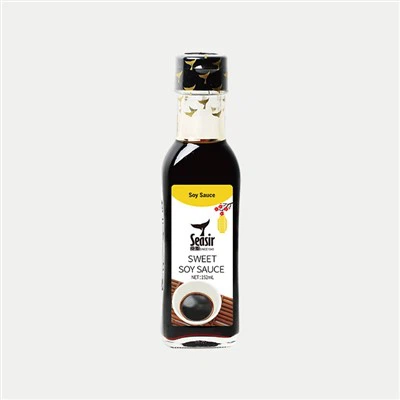
Soy sauce is extremely nutritious, with a complex composition. Its main nutrients include various amino acids, soluble proteins, sugars, and acids. In particular, soy sauce contains 17 essential amino acids that the human body cannot synthesize. It also contains relatively abundant vitamins, B vitamins, phospholipids, organic acids, alcohols, phenols, esters, and a safe and non-toxic brown-red pigment, as well as inorganic salts such as salt, calcium, phosphorus, and iron, and pigments and flavorings.
Amino acids are the most important nutrient in soy sauce, and their content reflects its quality. Amino acids are products of protein breakdown. Soy sauce contains 18 amino acids, including the eight essential amino acids for humans. These amino acids play extremely important physiological functions; humans can only obtain amino acids from food to build their own proteins. Proteins are the material basis of life, essential components of cell tissues, and raw materials for tissue development and repair. Maintaining acid-base and water balance, transmitting genetic information, and the metabolism and transport of substances in the human body are all related to proteins.
Soy sauce produces a natural antioxidant that helps reduce free radical damage to the body, with an efficacy several times higher than common antioxidants like vitamin C and vitamin E. A small amount of soy sauce can inhibit free radicals as effectively as a glass of red wine. Even more surprisingly, soy sauce can continuously eliminate free radicals. Researchers say this is the first time the scientific community has discovered soy sauce containing so many natural antioxidants, suggesting that soy sauce may have anti-cancer properties.
Reducing sugars are also a major nutrient in soy sauce. Starchy raw materials, when hydrolyzed by amylase into dextrins, disaccharides, and monosaccharides, all possess reducing properties. These are an important source of energy for the human body, supplying 60-70% of the energy needed for bodily activities. They are essential building blocks of the body and participate in many cellular processes. Some sugars can combine with proteins to synthesize glycoproteins and with fats to form glycolipids; these are substances with important physiological functions.
Total acidity is also an important component of soy sauce, including various organic acids such as lactic acid, acetic acid, succinic acid, and citric acid. It has a certain influence on enhancing the flavor of soy sauce, but excessively high total acidity can make the soy sauce overly sour and lower its quality.
Salt is also one of the main components of soy sauce, generally containing about 18 grams per 100 ml. It gives soy sauce its salty taste and replenishes the salt lost from the body.
In addition to the main components mentioned above, soy sauce also contains trace elements such as calcium and iron, effectively maintaining the body's physiological balance. Therefore, soy sauce not only has a good flavor and taste but is also rich in nutrients, making it a preferred condiment for cooking.