Tips for Choosing Vinegar:
Check the label. According to national standards, the total acid content should be indicated on the vinegar product label. Total acid content is a characteristic indicator of vinegar; the higher the content, the stronger the sour taste. Generally, the total acid content of vinegar should be ≥3.5g/100ml.
Check the production date; do not buy expired products.
Check the manufacturer; do not be misled by similar label designs. Products from different regions do not necessarily represent the characteristics of products from that region.
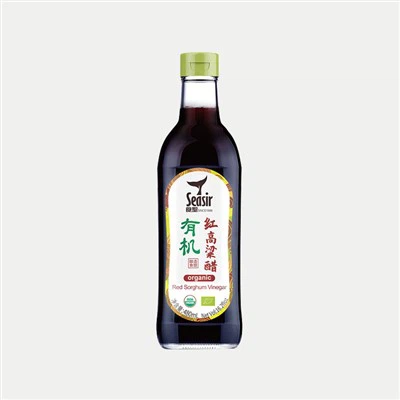
Observe the color and appearance. Good quality brewed vinegar has an amber or reddish-brown color and a glossy appearance. A clear appearance, appropriate concentration, and no suspended matter or sediment indicate good quality.
Smell the aroma and taste. Good vinegar should have the characteristic aroma and ester fragrance of vinegar, without any unpleasant odors. It should have a mellow sour taste, a long aftertaste, a rich aroma, and no astringency or off-flavors.
Distinguishing Methods
Flavor and Aroma: Brewed vinegar has distinct sour, sweet, umami, and fragrant flavors, with a mellow sourness. Blended vinegar, on the other hand, lacks these distinct flavors and has a more pungent sour taste.
Color and Appearance: Brewed vinegar varies in color depending on the variety, including dark brown, brownish-yellow, and amber. It has a glossy appearance, is clear, and free of suspended matter or sediment. While brewed vinegar may develop cloud-like sediment after prolonged storage (this does not affect its edibility), blended vinegar is purely an aqueous solution of acetic acid. It is very clear and transparent, but lacks luster. Unlike brewed vinegar, it is not prone to mold or spoilage and will not become cloudy or develop sediment even after prolonged storage.