Vinegar for Cooking
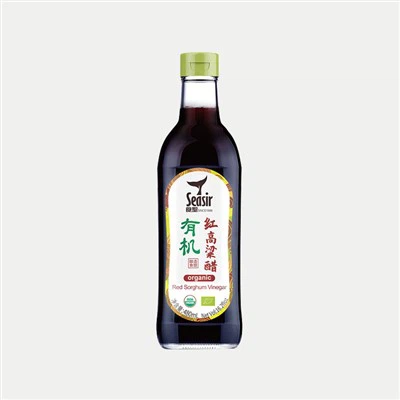
Vinegar is an important condiment with many uses.
Removing Fishy Smell: Adding a little vinegar when cooking fish can eliminate its fishy smell.
Removing Muttony Smell: Adding a small amount of vinegar when braising mutton can remove its gamey odor.
Reducing Spiciness: Adding a little vinegar when cooking dishes can reduce the spiciness.
Adding Fragrance: Adding a little vinegar when cooking dishes can reduce greasiness and increase aroma.
Enhancing Sweetness: Adding a little vinegar when cooking sweet porridge can make the porridge sweeter.
Accelerating Cooking: Adding a little vinegar when stewing meat, boiling beef, kelp, or potatoes can make them cook faster and become tender.
Preventing Blackening: Adding a little vinegar when stir-frying eggplant can prevent it from turning black.
Preventing Spoilage: Adding a little vinegar when soaking raw fish can prevent it from spoiling.
Adding Flour to Soy Milk: Adding a little vinegar to soy milk can make it more visually appealing and delicious.
Adding vinegar when cooking in an aluminum pot increases the amount of aluminum that dissolves. Since consuming excessive aluminum can cause brain cell aging and digestive and endocrine disorders, it's best to avoid adding vinegar when cooking in an aluminum pot.
Rust Removal: Apply vinegar to the rusted areas of rusted metal several times, then wipe clean. Alternatively, soak the rusted metal in vinegar for several days.