


Hey there! As a supplier of Fresh Soy Sauce, I often get asked, "Is fresh soy sauce fermented?" Well, let's dive right into this topic and clear up any confusion.
First off, yes, fresh soy sauce is indeed fermented. Fermentation is a crucial process in making soy sauce, whether it's fresh soy sauce or other types like Seasoning Soy Sauce and Regular Dark Soy Sauce. It's what gives soy sauce its unique flavor, aroma, and nutritional value.
The fermentation of soy sauce typically starts with a combination of soybeans, wheat, salt, and water. These ingredients are mixed together and then inoculated with a special mold called Aspergillus oryzae. This mold helps break down the proteins and carbohydrates in the soybeans and wheat into simpler compounds. It's like a little army of tiny workers getting the party started.
After the initial inoculation, the mixture is left to ferment in large vats or containers. This fermentation process can take anywhere from a few weeks to several months. During this time, the enzymes produced by the mold work their magic, transforming the raw ingredients into a rich, savory liquid.

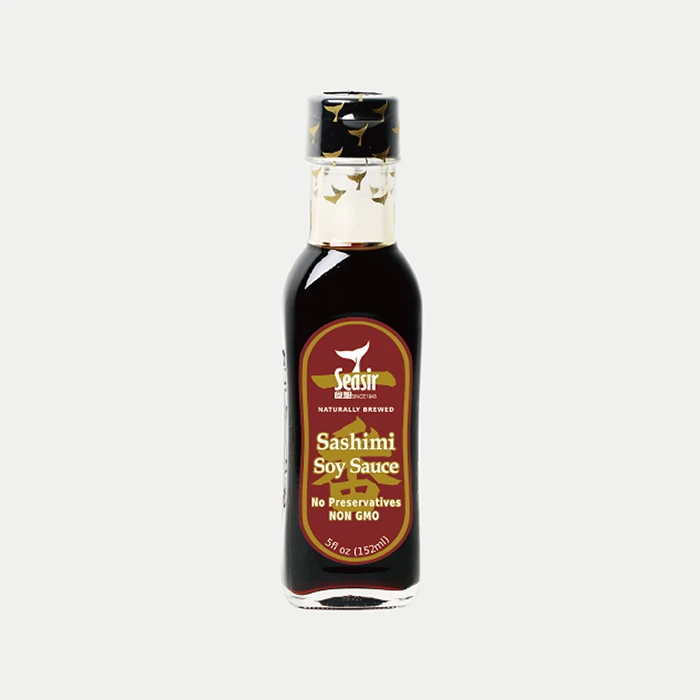
One of the key things that happens during fermentation is the production of amino acids. These are the building blocks of protein, and they give soy sauce its umami flavor. Umami is often described as a savory, meaty taste, and it's one of the five basic tastes, alongside sweet, sour, bitter, and salty. The longer the fermentation process, the more complex and intense the umami flavor becomes.
Another important aspect of fermentation is the development of antioxidants. These are compounds that help protect our cells from damage caused by free radicals. Free radicals are unstable molecules that can cause oxidative stress in our bodies, which is linked to a range of health problems, including cancer, heart disease, and aging. By consuming fermented soy sauce, we can get a healthy dose of antioxidants and give our bodies a little extra boost.
Now, when it comes to fresh soy sauce, there are a few things that set it apart from other types of soy sauce. For starters, fresh soy sauce is usually made with a shorter fermentation period. This gives it a lighter, fresher flavor compared to regular dark soy sauce, which has a more intense, caramel-like taste. Fresh soy sauce also tends to have a lower salt content, making it a healthier option for those watching their sodium intake.
At our company, we take pride in producing high-quality fresh soy sauce. We start with the finest soybeans and wheat, sourced from local farmers who use sustainable farming practices. We then carefully control the fermentation process to ensure that our soy sauce has the perfect balance of flavor and aroma. And because we believe in transparency, we're always happy to share our production methods with our customers.
So, if you're wondering whether fresh soy sauce is fermented, the answer is a resounding yes! Not only is it fermented, but it's also a delicious and healthy addition to your kitchen. Whether you're using it to marinate meats, stir-fry vegetables, or add a splash of flavor to your soups and stews, fresh soy sauce is a versatile ingredient that can take your cooking to the next level.
If you're interested in learning more about our Fresh Soy Sauce or would like to discuss a potential purchase, we'd love to hear from you. You can reach out to us to start a conversation about how our fresh soy sauce can meet your needs. We're here to provide you with the best products and services, and we're excited to see how our soy sauce can enhance your recipes.
References:
- McGee, H. (2004). On Food and Cooking: The Science and Lore of the Kitchen. Scribner.
- Fleming, H. P., & McFeeters, R. F. (1993). Biochemistry of fermented foods. Plenum Press.


